Welcome! My name is Su and I am an Orton-Gillingham tutor and Academic Language Therapist. I offer individualized English tutoring, both in-person and online all over the world, from my home in Nova Scotia, Canada.
The Orton Gillingham approach has been shown to be an effective way to teach students with dyslexia or specific language-based disorders.
I created this website to offer some free resources for parents, to explain why you may want to hire me as a tutor, and to explain more about how I teach. Enjoy!
Lessons are individualized around each student, so each successive lesson is based on the previous one. We move from simple to more complex, making sure nothing is left out. This helps to build confidence, as students realize how much they actually already know.
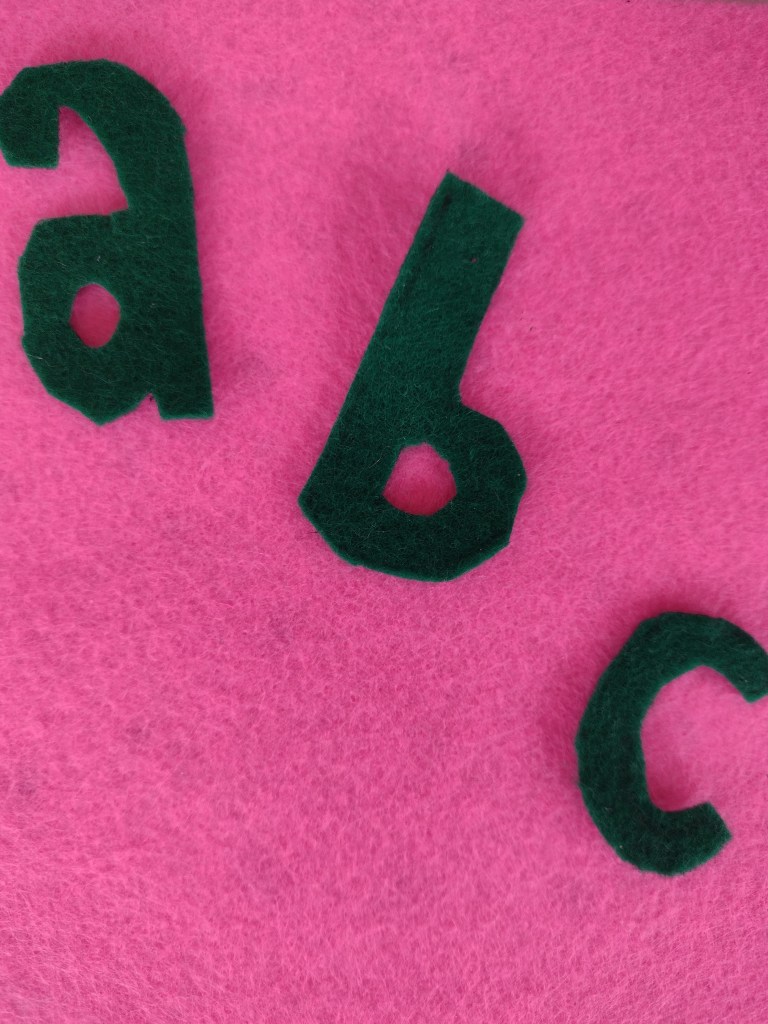
Tracing letters on different textures helps involve other senses in learning.
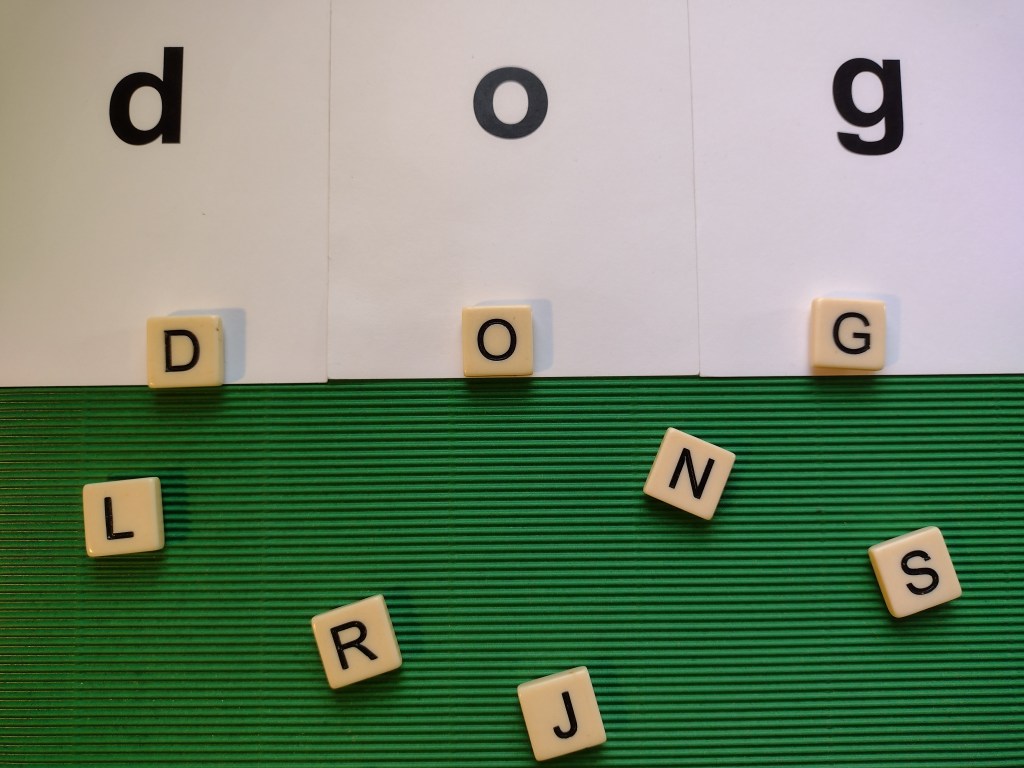
Each lesson involves practice with identifying sounds and blending them, phonics work, reading, spelling, and vocabulary. Students are taught a comprehensive way to understand how English works, so that they don’t have to simply guess how to pronounce or spell unknown words.
By learning about vowel sounds, syllable patterns, and multiple spellings for different sounds, most students with practice can effectively decode 85-90% of words. The remaining non-phonetic words we call red words, and we teach these separately.
Multisensory learning is an important part of the lesson. Many students are kinesthetic learners, meaning they learn best when they are taking in information through moving their body. This is especially true for students who have a learning disability and/or are neurodivergent. An approach that is just reading and/or writing doesn’t work for them. We incorporate movement, tactile elements (ie: tracing on a piece of sandpaper or velvet), and feeling in our mouths where a particular sound is formed. Depending on the age of the student, I incorporate games that will keep them engaged.
Orton-Gillingham work requires a patient, supportive teacher to encourage students who may have to work so hard at a subject that some of their peers seem to so easily understand. For students with dyslexia, sometimes a word needs to be seen and repeated several times before it is firmly in their memory and vocabulary. I focus on the positives in each lesson, pointing out what the student is doing well and offering specific praise.

 Orton Gillingham Tutoring